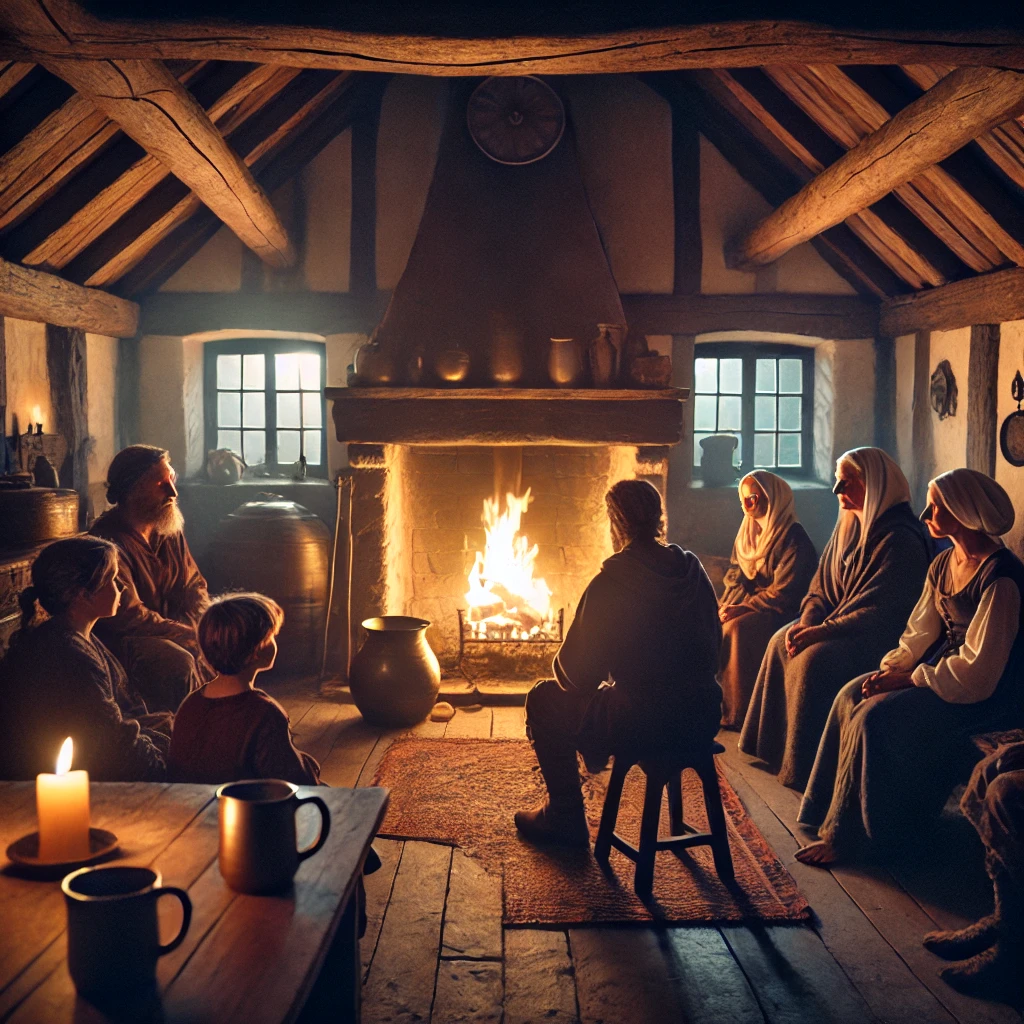
For much of human history, stories lived only in the spoken word. In an age before written language, ancient cultures from Greece, Mesopotamia, and beyond relied on bards and storytellers to preserve their histories, myths, and values. These stories weren’t just for entertainment—they were tools of education and culture, passed down through generations in grand performances, often during festivals or around communal fires.
One of the most famous oral traditions comes from ancient Greece, where poets like Homer recited epics such as The Iliad and The Odyssey entirely from memory. These poems, rich in drama and adventure, were so well-known that they eventually became the bedrock of Greek culture. But these tales were not static. Each retelling was unique, with storytellers adding their own flourishes, responding to the reactions of their audience, and subtly altering the narrative to suit the moment.
Oral traditions had a significant benefit: they created a powerful bond between the storyteller and the listener. Stories were dynamic, breathing life into history and morals in a way that adapted to the needs of the people hearing them. The fluidity of oral storytelling allowed it to resonate deeply with each new generation, making stories feel personal and immediate.
However, there was a drawback to this fluidity. As stories were passed down, they evolved, sometimes drastically. Storytellers often embellished details to enhance the drama or fit the preferences of a particular audience. This meant that the original version of a story—its core truths—could become blurred or lost entirely. Without a fixed version, a tale could shift in meaning and significance, depending on who told it.
Despite these concerns, oral storytelling remained central to cultures for thousands of years. It was only with the invention of writing that humanity could begin to preserve stories in a more permanent and unchangeable way. But in the time before writing, oral tradition was the lifeblood of storytelling—a living, breathing force that shaped civilizations.
The Benefits of Oral Traditions
- Cultural Connection: Oral stories fostered a deep bond between the storyteller and the audience, ensuring that each telling was interactive and relevant to its listeners.
- Adaptability: Since there was no fixed version of a story, it could be adapted and reshaped to suit different times, locations, and communities, making the story feel alive and continuously relevant.
The Drawbacks of Oral Traditions
- Inaccuracy: Over time, details would change, and the story’s original form could be lost or altered, leading to a distortion of its meaning or intent.
- Dependence on Memory: The accuracy of a story relied entirely on the memory of the storyteller, meaning that important details could be forgotten or misrepresented.
As we’ll explore in future posts, this transition from oral storytelling to written traditions marked the beginning of a profound shift in how humans tell and preserve stories. Next, we’ll look at the advent of writing and how it fundamentally changed the way stories were shared across generations.


Leave a Reply